Briefing: Children, conflict and climate in Sudan
Sudan’s civil war has put millions of children in danger. Alongside mass displacement and war crimes - amounting to genocide in some regions - the conflict is also degrading the environment, with military operations worsening living conditions and the impacts of climate change. CRIN’s latest briefing examines how these crises intersect to harm children and why international action is needed.
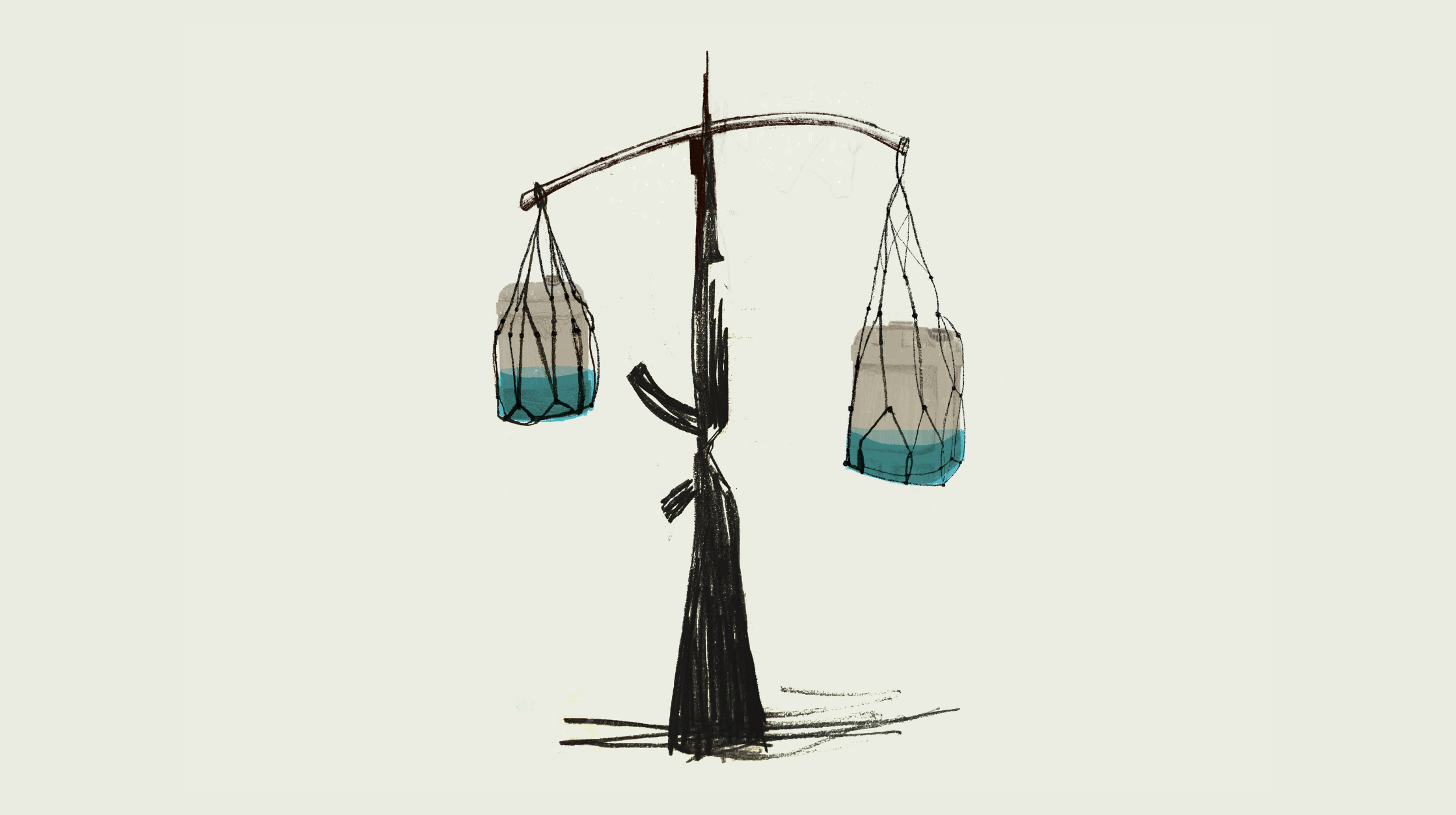
16 million children in Sudan are currently in need of humanitarian assistance.
The civil war between the Sudanese army and the paramilitary group the Rapid Support Forces is not the first time Sudan has been afflicted by armed conflict. There have been regular escalations in violence in the country over the past several decades - and this fact alone has serious implications for children’s rights. However, children in Sudan today must not only contend with violence but also with climate change. The country’s extreme temperatures, droughts and floods have been further exacerbated by the climate crisis which is, in turn, worsened by the products of war.
What is happening in Sudan includes war crimes, crimes against humanity and genocide in some regions - all taking place amidst dwindling food and water supplies and outbreaks of cholera. These problems will continue to influence each other and impact children’s lives. When it comes to both direct and unintended harm to civilians, Sudan is a standout case study for why the international community must better consider the relationship between climate change and conflict: addressing not only the current crisis but the nation’s challenges in the years to come.
Our new briefing discusses the severity of both armed conflict and climate in Sudan. It considers the interconnection of each issue, as well as the lack of response by siloed international bodies.
On the intersection of conflict and climate crisis:
This paper is the second in CRIN’s series on the intersection of conflict and the climate crisis. To read our briefing on environmental degradation, climate change and genocide in Gaza, see here.
Current conflict
The current civil war in Sudan began in April 2023 between the Sudanese army (SAF) and the paramilitary group the Rapid Support Forces (RSF). Since then, reports suggest that more than 150,000 people have been killed and 12 million people have fled their homes; this makes Sudan the world's largest humanitarian crisis based on the number of people currently affected.
Children always bear the brunt of armed conflict and Sudan is no exception, with 16 million Sudanese children currently in need of humanitarian assistance. The United Nations’ Secretary General’s recent annual report on children and armed conflict verified that, in 2024 alone, 2,041 grave violations were committed against children in Sudan - which includes the killing and maiming of children, sexual violence against children as well child abduction. This marked a significant increase in the number of grave violations seen in the previous year, with the Secretary General stating that he was ‘deeply alarmed’ by this increase. There have also been regular reports of a variety of war crimes being committed in Sudan, which even encompasses genocide in some regions of the country.
In addition to this direct violence, there are additional long-term consequences to the conflict which are negatively affecting children. Water supplies and sanitation systems have been damaged and destroyed, and fighting between the SAF and RSF has also led to power cuts. These disruptions have contributed to a range of additional consequences, including outbreaks of cholera, as well as people being displaced from their homes. The response to this health crisis has in turn been impacted by the conflict, with Médecins Sans Frontières (MSF) being forced to suspend some of their humanitarian activities due to a ‘violent armed assault’ on one of their facilities.
The fighting has also damaged food production in Sudan. The UN Development Programme and the International Food Policy Research Institute found that farming activities have been severely reduced due to the conflict, leading to food shortages and an increased price of goods. Half of the households that reported cultivating land also indicated that their farming was disrupted by conflict. This is hugely significant for a country whose food supplies are already vulnerable because of climate change, and is a key reason why so many people living there are in need of humanitarian assistance.
In summary, the current conflict in Sudan violates children’s rights in two ways. First, children are directly being killed and injured - in addition to the other grave violations being committed against them. Second, this violence is also degrading the infrastructure and systems that children rely on - including water and sanitation, food production and the environment itself. These critical issues are further compounded by the effects of the climate crisis.
Climate change and Sudan
Sudan is one of the most vulnerable nations on earth to the climate crisis, with one UN analysis placing Sudan in the top ten list of countries most vulnerable to climate change. Sudan has long been victim to extreme weather events, and is regularly blighted by both drought and flooding, which affects its citizens’ health, access to safe drinking water and food supplies. Despite these obvious consequences, international bodies, including the World Health Organization, state that climate change has been a neglected area of concern in Sudan.
Since the outbreak of the civil war in 2023 there have been a number of climate crisis-related events that have worsened an already perilous situation for children. In the first year of fighting, food production fell sharply by 46%. The UN Agriculture and Food Organisation attributed this decline primarily to the conflict but also to erratic rainfall and drought.
In 2024 more than 600,000 people were negatively affected by flooding, with heavier than normal rains and the El Nino weather phenomenon. These floods, in combination with war, led to outbreaks of cholera and other diseases.
The rainy season in 2025 (which runs from June–September) reported even more extreme weather patterns, leading to the displacement of 2,700 people, as well as the destruction of shelters and food supplies. UNICEF reported further cholera outbreaks, including one in Tawila, North Darfur, where an estimated 300 children became infected over a four month period.
Looking ahead, the picture for Sudan is bleak. Even if the fighting were to end, in the coming years, maximum and minimum temperatures are expected to increase and heatwaves intensify. The frequency and intensity of rainfall will also magnify and more communities will experience flooding. The consequence of extreme temperatures in concert with volatile rainfall will limit food production, force more people from their homes, increase resource scarcity (including water) and children will be vulnerable to further diseases. The overlay of war on top of the climate crisis further exacerbates Sudan’s already-dire situation. Given this trajectory, Sudan cannot afford to be embroiled in conflicts which undermine its ability to mitigate the worst effects of climate change.
The global response
As discussed, the outbreaks of cholera in Sudan can be traced back to the combined impact of war and climate change. The UN Office for the Coordination of Humanitarian Affairs calls the crisis in Sudan the world’s largest humanitarian emergency, with millions of Sudanese suffering. Yet, the global response has been muted and characterised by inaction.
Although the UN Security Council’s main purpose is to maintain international peace and security, Sudan appears not to be a priority. There have been a scattering of resolutions but none have substantially addressed the current conflict. A resolution proposed by the UK and Sierra Leone in November 2024 (S/2024/826) had substance but was vetoed by Russia - an all too familiar failure of the UN system. While this resolution would have taken promising steps in addressing aspects of the conflict, it did not acknowledge the climate crisis as a factor fueling the unrest and the resulting need for humanitarian aid.
International courts have been equally slow in their response. The International Criminal Court (ICC) has been gathering evidence under a 2005 mandate from the UN Security Council in relation to the conflict in Darfur. To date, this investigation has included ‘gender-based crimes, and crimes against and affecting children, killings, pillaging, attacks against internally displaced persons camps and indiscriminate targeting of civilian populations’. It is unclear, however, whether the ICC is investigating crimes relating to the environment under article 8(2)(b)(iv) of the Rome Statute as no arrests have been issued for crimes relating to the current conflict.
The response to the current conflict seems especially slow considering the number of people affected, the scale of damages and the presence of war crimes. While the Prosecutor’s Report identifies a number of challenges in conducting the ICC’s investigation, the fact that the ICC is still processing cases involving Sudan more than two decades old reflects a long-standing weakness in the current system. In December 2025 the ICC published its Policy on Addressing Environmental Damage Through the Rome Statute, which lays out how they will use elements of the Rome Statute in relation to environmental crimes. This policy should provide fresh impetus to pursue crimes which impact the environment in Sudan; in the meantime, however, avenues to take meaningful action remain limited.
From a children’s rights perspective, the Committee on the Rights of the Child (CRC) is the preeminent UN body. Their mandate and powers are different from the UN Security Council or the ICC, but they play a crucial role. Their work in recent years, such as their General Comment 26, draws a clear link between environmental degradation and grave violations of child rights in conflict. Twelve months into the fighting, the CRC highlighted their concerns with the civil war’s effect on children’s rights in Sudan; yet, it fell short of identifying the impact of environmental and climate factors. This failure to draw attention to overlapping and interconnecting issues is not due to a lack of concern necessarily, but may be due to the siloed nature of problems being in this agency and others, or otherwise reflect the capacity of the CRC and its areas of focus.
Lastly, despite the obvious impact of climate change on Sudan, there has been no notable or widespread response from international climate bodies. This, too, may be due in part to the silo effect of responsibilities and jurisdictions, not to a lack of concern, but it does not justify ignoring a humanitarian catastrophe, especially one of this scale.
Sudan is one of the world’s most pressing global humanitarian crises, driven by both climate change and conflict, which has led to serious violations of children’s rights. Despite the 12 million of children subject to food and water scarcity, displacement, disease, injury and death, the international community has remained largely silent and has failed to take meaningful action. Indeed, according to a recent article in the Financial Times, the UAE in particular seems to be more focused on fueling the conflict than ending it through channeling arms to the RSF.
Too little is being done to end the war, and even less to recognise the role of climate change in exacerbating the impacts of the conflict. Key international powers, particularly the UN Security Council, do not seem to see Sudan as a priority. Or, perhaps most tellingly in this slow response, the international bodies and law are heavily siloed and therefore unable to take deliberate action or make connections. The body of laws which govern war and climate law are separate, as are the bodies which develop and oversee them. Essentially, the two systems are distinctly run, meaning that interaction between the two issues is not realised. The result is inaction and a lack of recognition that conflict and climate are closely interrelated.
Conclusions and recommendations
Children in Sudan are in a catastrophic situation. Conflict and climate change have combined with devastating consequences. Sixteen million children are in need of humanitarian assistance as a result, with thousands of grave violations having been committed against children. Outbreaks of cholera in particular have increased, with fatal results. Yet, the international community has been silent and ineffective in addressing the harm being done to children in Sudan. Geopolitics, siloed international laws, and a lack of political will are all factors in this. It is clear that there is an urgent need for greater international attention on Sudan. The conflict must end and the impacts of climate change in Sudan must be addressed, both in the short-term and in the ways it will escalate.
For the first time in 2025, the UN Secretary General’s annual report on children and armed conflict recognised that the climate emergency ‘increased the vulnerabilities of children’ in conflict zones. The Office of the High Commissioner of Human Rights’ separate report released in September 2025 also highlights the increased risks that climate change creates for children living in conflict situations. These documents represent important progress, adding substance to the environmental policy of the ICC published in late 2025.
For Sudan’s children, however, these reports must be translated into meaningful action from the international community. The response must be urgent and must effectively address factors related to both conflict and climate change, as well as their inter-relationship. Furthermore, the proposed solutions must end the cycles of violence in Sudan, bring an end to the war crimes being committed, provide a sustainable peace agreement and ensure unrestricted humanitarian access - holding those who have violated children’s rights accountable.
The ongoing failure to act on both the climate crisis and conflict being inflicted on Sudan's children is a damning indictment of the international community. Every international mechanism must act to change this.
For a full list of references cited, download the briefing.