
How ambitious was the first conference on Transitioning Away from Fossil Fuels?
The first conference on Transitioning Away from Fossil Fuels concluded on 29 April. While the space was hopeful and optimistic, its success is highly dependent on what States decide to do now - and in the future. We discuss CRIN’s contributions to the conference, emphasising why children’s rights and human rights must be included in discussions on a just transition away from fossil fuels.
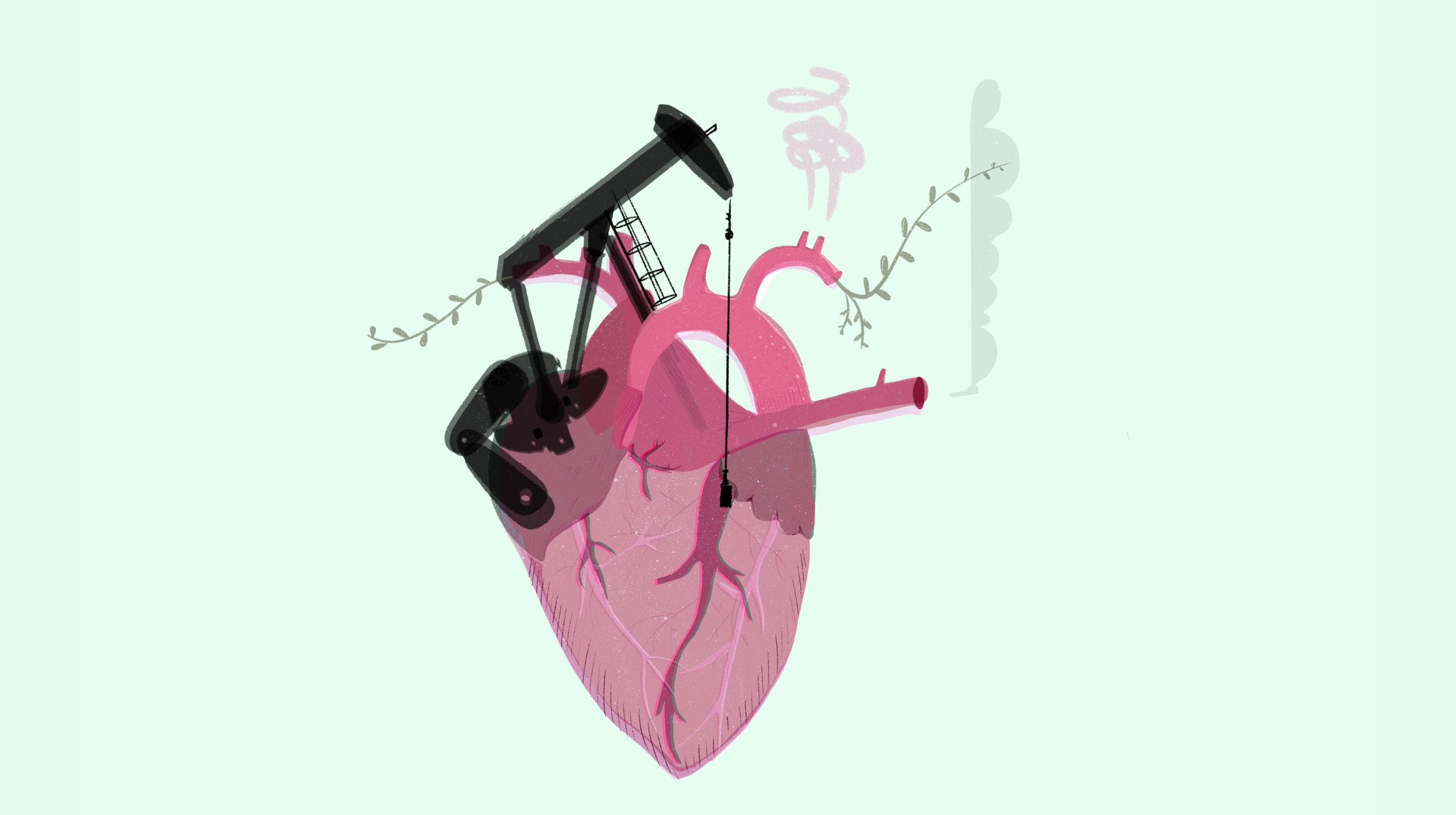
From 24–29 April, representatives from 57 States gathered in Santa Marta, Colombia, for the first-ever Transitioning Away from Fossil Fuels (TAFF) conference.
This conference was organised by Colombia and the Netherlands because, for decades, climate negotiations have failed to address the need to phase out fossil fuels, the main driver of the climate crisis. With the exception of COP27 (the main UN Climate conference that took place in 2022), where a (weak) mention of fossil fuels was added to the cover decision, it has been shunned from the decisions of the climate negotiations due to the consensus-based decision-making model at these negotiations. The conference aimed to gather only States that want to move forward with transitioning away from fossil fuels. The conference is not a negotiation space but a small, collaborative, best-practice-sharing space where States can learn and advance together, and does not take place under the auspices of the UNFCCC or the Paris Agreement.
The discussions revolved around three core pillars:
Overcoming economic dependence on fossil fuels;
Transforming energy supply and demand;
Strengthening international cooperation and multilateralism.
Across six days of meetings, workshops, delegates, civil society organisations, Indigenous Peoples, youth representatives, trade unions, women’s groups and private sector actors all contributed to shaping the conversation.
For many participants, the conference represented an encouraging first step towards building a fossil-free future after years of inertia in phasing them out. There was a sense of cautious optimism in the air - a recognition that meaningful transition requires not only ambition but cooperation. One of the most concrete outcomes was the growing interest among States in developing national transition roadmaps tailored to their domestic realities.
Yet, six weeks on, an important question remains: was the conference ambitious enough? And will the follow-through live up to expectations and the need for urgent action?
A conference built on dialogue
Like many first-time international conferences, the TAFF conference was not without its logistical challenges. Still, it succeeded in fostering an open and creative atmosphere. The first days focused on academic and technical discussions, followed by sessions dedicated to hearing directly from stakeholder groups such as Indigenous Peoples, women and diversity, children and youth and the private sector. The conference concluded with a two-day high-level segment where all 57 participating States (60% of which were Global Majority States and 40% Global North States) came together to reflect on the three pillars in light of recommendations from various stakeholders - including recommendations from children and youth, women and diversity groups, academia, Indigenous Peoples and others.
Among the organisations present was CRIN, with our focus being on ensuring children’s rights were embedded in discussions on transitioning away from fossil fuels.
Growing legal pressure to phase out fossil fuels
A major theme that emerged from the conference was the increasing legal pressure surrounding new fossil fuel production and investment. The recent Advisory Opinion on climate change of the International Court of Justice (ICJ) clarified that continued expansion of fossil fuel infrastructure could constitute an internationally wrongful act under international law.
Additionally, while States set their own Nationally Determined Contributions (NDCs: States’ national climate action plans, updated every 5 years), the ICJ clarified that States are not entirely free to set their own climate targets. Instead, they are legally obligated to pursue the highest possible ambition in every round of NDCs, in line with limiting global warming to well below 1.5°C, advancing on its previous ones. They should also be informed by global stocktake outcomes, be sufficiently transparent and must ‘make an adequate contribution to the achievement of the temperature goal’.
These findings raise serious questions about the compatibility of current international investment frameworks with climate and human rights obligations. States cannot claim to protect children from climate harm while simultaneously remaining bound by treaties that shield fossil fuel corporations from regulation and halt climate action.
International cooperation must therefore move beyond voluntary commitments. Regulating private sector actors whose activities undermine climate and children’s rights obligations should be treated as a binding international legal duty.
Fossil fuels threaten our future survival. Pollution damages our lungs, water, and food, while poorer communities suffer the most from climate injustice. Young people are demanding a clean energy transition now, because cleaner air not only protects our health, but also improves our wellbeing and peace of mind.
– CRIN Climate Adviser José (18, Columbia)
ISDS: A structural legal barrier to a Just Transition
One of the most contentious issues raised at the conference was the role of Investor-State Dispute Settlement (ISDS) mechanisms. These systems allow corporations to sue governments over climate and environmental policies that affect their investments.
ISDS mechanisms have become one of the greatest barriers to a just transition. Cases such as Shell v. the Netherlands under the Energy Charter Treaty and Infrared et al. v. Colombia illustrate how fossil fuel corporations can challenge climate policies and divert public resources away from healthcare, education and social protection.
The missing piece: Human rights
Despite the positive atmosphere and important discussions, one major weakness was that human rights were not explicitly part of the conference.
While the transition away from fossil fuels was widely recognised as necessary, discussions often focused on economics, infrastructure and investment - without adequately addressing the human consequences of transition policies.
Without safeguarding human rights, we run the danger, and almost guarantee, that existing human rights violations will be repeated in the context of the rise of the new transitioning sectors. Children, especially, are impacted by climate change worldwide. UNICEF states that ‘[i]n 2024 alone, 242 million students had their schooling disrupted by extreme weather events. Two billion children are exposed to dangerous levels of air pollution. 739 million children face high water scarcity, and 470 million live with extreme drought risk’.
Why children’s rights matter
CRIN focused on a crucial gap in climate governance: the absence of a robust human rights and child rights framework in discussions on the fossil fuel transition.
The ‘best interests of the child’ must become a primary consideration in decision-making processes, including those related to the climate and environment, as required under Article 3(1) of the UN Convention on the Rights of the Child (CRC). This obligation is not aspirational; it is legally binding.
Climate change disproportionately affects children’s health, development, education and wellbeing. Policies that prolong fossil fuel dependence, therefore, directly conflict with States’ obligations under international children’s rights law. And this principle must be reflected across climate legislation, energy policy, transition frameworks and international agreements.
Furthermore, access to justice for children affected by climate harm is a crucial aspect of transitioning away from fossil fuels. This includes child-friendly complaint mechanisms, legal aid and the removal of financial barriers that prevent children from bringing claims before international bodies.
As young people, we are not just the future but the present stakeholders of this planet. We urge governments to take urgent, just and inclusive action to transition away from fossil fuels while safeguarding the rights and well-being of children worldwide. Our voices must be heard in shaping a sustainable and equitable future.
– CRIN Climate Adviser Param (17, India)
As the TAFF process moves forward under the leadership of Tuvalu and Ireland, future conferences will need to integrate human rights far more explicitly across all three pillars, from reducing economic dependence on fossil fuels to reshaping international cooperation.
Without a strong human rights framework, there can be no just transition.
Take real action. Don’t make fake promises, provide timelines to phase out fossil fuels and stop oil, gas and coal projects. Provide funds to help transition to clean energy and listen to communities already impacted.
– CRIN Climate Adviser Shirley (15, Kenya)
Taken together, CRIN calls for the development of a new just transition investment framework that excludes fossil fuel investment, subsidisation, expansion and protection and prioritises human rights and children’s rights obligations in the just transition. We recommend:
Embedding the best interests of the child in all climate-related decision-making;
Coordinating the collective exits from the Investor State Dispute Settlements (ISDS) agreements, including the Energy Charter Treaty, and their ‘sunset clauses’, which continue protecting fossil fuel investments for up to 20 years after withdrawal;
Recognising the obligation of States to regulate the private sector, including fossil fuel corporations;
Introducing domestic laws, such as recognising the right to a healthy environment at the national and regional levels, that strengthen States' legal standing in ISDS arbitration cases.
Looking ahead
The TAFF conference in Santa Marta marked an important beginning. It created space for dialogue, collaboration and the exchange of ideas at a time when international climate cooperation often feels fragmented and slow-moving. At the next conference, hosted by Tuvalu and Ireland, the ICJ Advisory Opinion on climate change should serve as the red line for every pillar and conversation, with human rights as a key cornerstone in discussing the path forward.
The real test lies not in conference declarations, but in States' willingness to confront entrenched fossil fuel interests, eliminate outdated legal systems, and place human rights, including children’s rights, at the heart of climate policy.
What States do after the TAFF conferences, both now and a year later, will ultimately determine whether it has become a turning point or simply another well-intentioned conversation.