
Recognising ‘Generation Plastic’: Why children’s rights should be at the forefront of the global plastics treaty
Children deserve a voice in the 2027 discussions regarding the global plastics treaty. In this briefing paper, CRIN highlights why children’s rights should be prioritised in on-going discussions, due to how disproportionately they are impacted by plastic pollution.
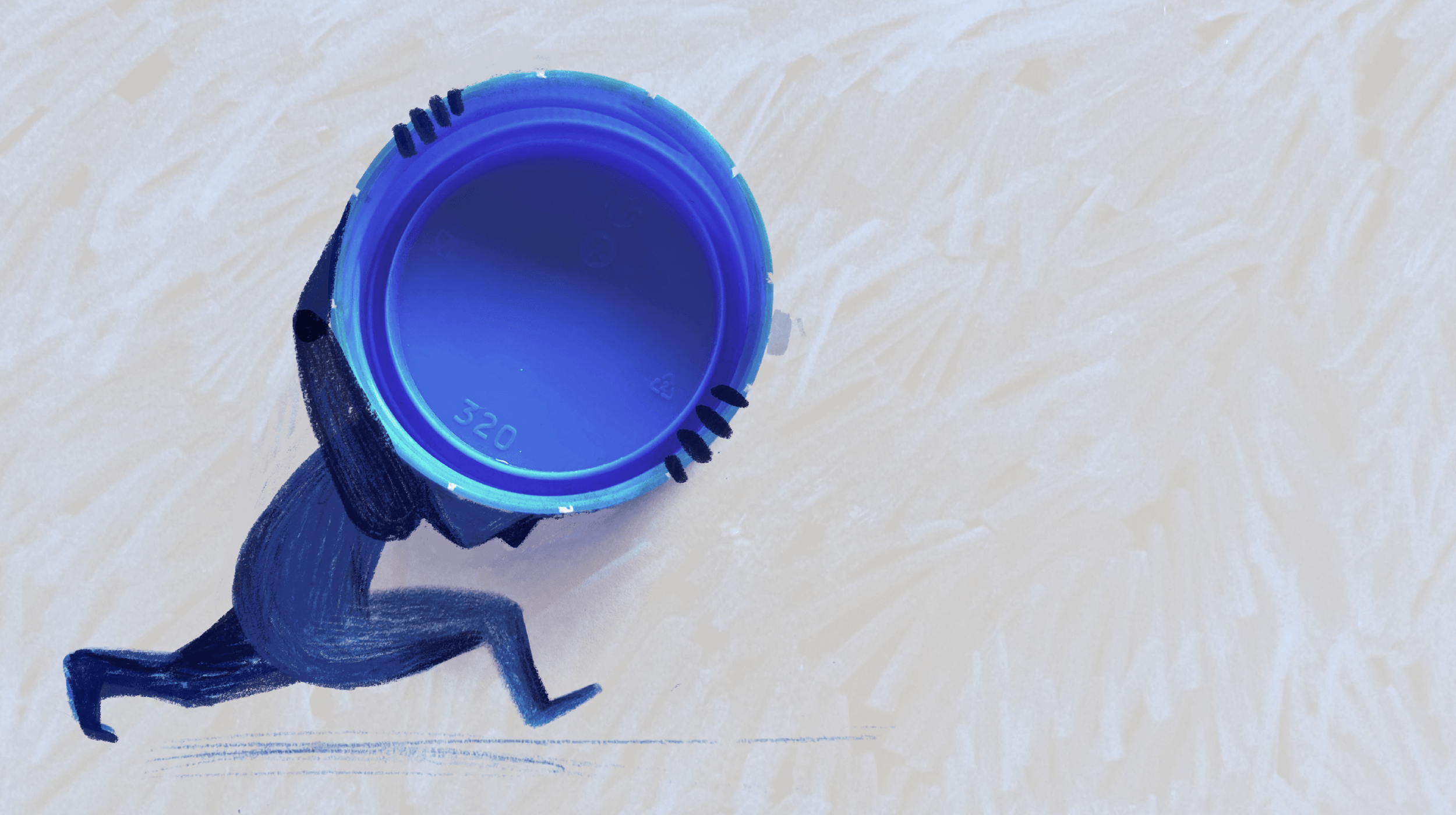
The next round of negotiations (INC-5.4) for the global plastics treaty is due to take place in March 2027. From production and design, to consumption, waste management and remediation, this treaty is intended to address the full lifecycle of plastics. Upcoming discussions represent a historic opportunity to address plastic pollution at its source and strengthen protections for human health, the environment and human rights.
For children, a strong and ambitious treaty could play a crucial role in safeguarding their rights to health, development and a clean, healthy and sustainable environment. Plastics pose significant risks to human health and contribute to environmental degradation and climate change. The science is clear: throughout its entire lifecycle, from the extraction of fossil fuels, to production, design, consumption, recycling and disposal, plastics are a threat to life.
It is now common knowledge that micro- and nanoplastics – tiny particles created by the abrasion, fragmentation and open burning of plastics – have been found in our air, food and drinking water. These particles have also made their way into human organs, affecting the lungs, blood, carotid arteries, heart, brain, ovaries and placenta. Plastics contain thousands of chemical additives which are hazardous to human health, with exposure to these chemicals linked to adverse health outcomes globally. These negative impacts include issues with brain development (such as lower IQ, worse memory and increased risk for ADHD), cardiovascular disease, reproductive outcomes, immune functions and increased risks of developing cancers.
Plastic pollution also harms the natural environment and is one of the main drivers of climate change. Approximately 99 percent of plastics are produced from fossil fuels – and the extraction of these fuels is a major contributor to climate change. Additionally, the production of plastics alone is responsible for more than 5 percent of global greenhouse gas emissions. At the same time, plastic debris ends up in our oceans and reduces their ability to absorb greenhouse gases, further accelerating climate impacts. If current trends continue, emissions from primary plastic production are projected to double – or even triple – by 2050.
Children are uniquely and disproportionately affected
UNICEF has described today’s children as ‘Generation Plastic’. Children have never been as surrounded by plastics as they are now. Even before they are born, and during infancy, potential routes of exposure include the placenta, breast milk, ingestion, inhalation and skin.
Children are more vulnerable to plastic exposure than adults. Alarmingly, children absorb more pollutants relative to their size, because they consume more food and water relative to their weight. Moreover, they are also less able to eliminate those substances from their bodies through their underdeveloped organs, particularly the liver and kidneys (and, since children’s bodies are still developing, exposure to plastics can cause more harm when compared to a fully developed body). Additionally, because they have more years of life ahead of them, children are at greater risk of developing diseases and disabilities over time.
There are further dangers to children in the environment in which they live and play. Toys, food containers, playgrounds and nappies possess hazardous plastic-associated chemicals such as phthalates, bisphenols, PFAS, flame retardants, styrene and PVC, which can enter children’s bodies. This exposure spans the full plastics lifecycle, beginning with the extraction of fossil fuels, continuing with their processing and manufacturing, and ending with their use in everyday items. Furthermore, inadequate waste management and incineration perpetuate this exposure, where recycled materials may retain or even concentrate harmful chemicals. The longer we allow plastic production to remain unchecked, this dire situation will only worsen for current and future generations of children.
Although these risks impact all children, such issues are further amplified for those children affected by economic deprivation and other forms of marginalisation. When a child experiences poverty and subsequent poor health outcomes, their resilience to the effects of toxic chemicals is compromised, particularly when malnourished. Children living near sources of pollution – like petro-chemical plants, waste sites or open dumping and burning areas – are also disproportionately affected.
To keep reading, download the full briefing below.