'Why Would You Speak Out?': A podcast featuring stories and testimonies from survivors of child sexual abuse in institutions across Latin America
This new podcast from a survivor-led network in Chile follows the stories and experiences of victims of institutional child sexual abuse across Latin America. The first episode is hosted by survivor and founder Eneas Espinoza, who describes the podcast as ‘a chorus of strong, organised voices that keep the cause alive’.
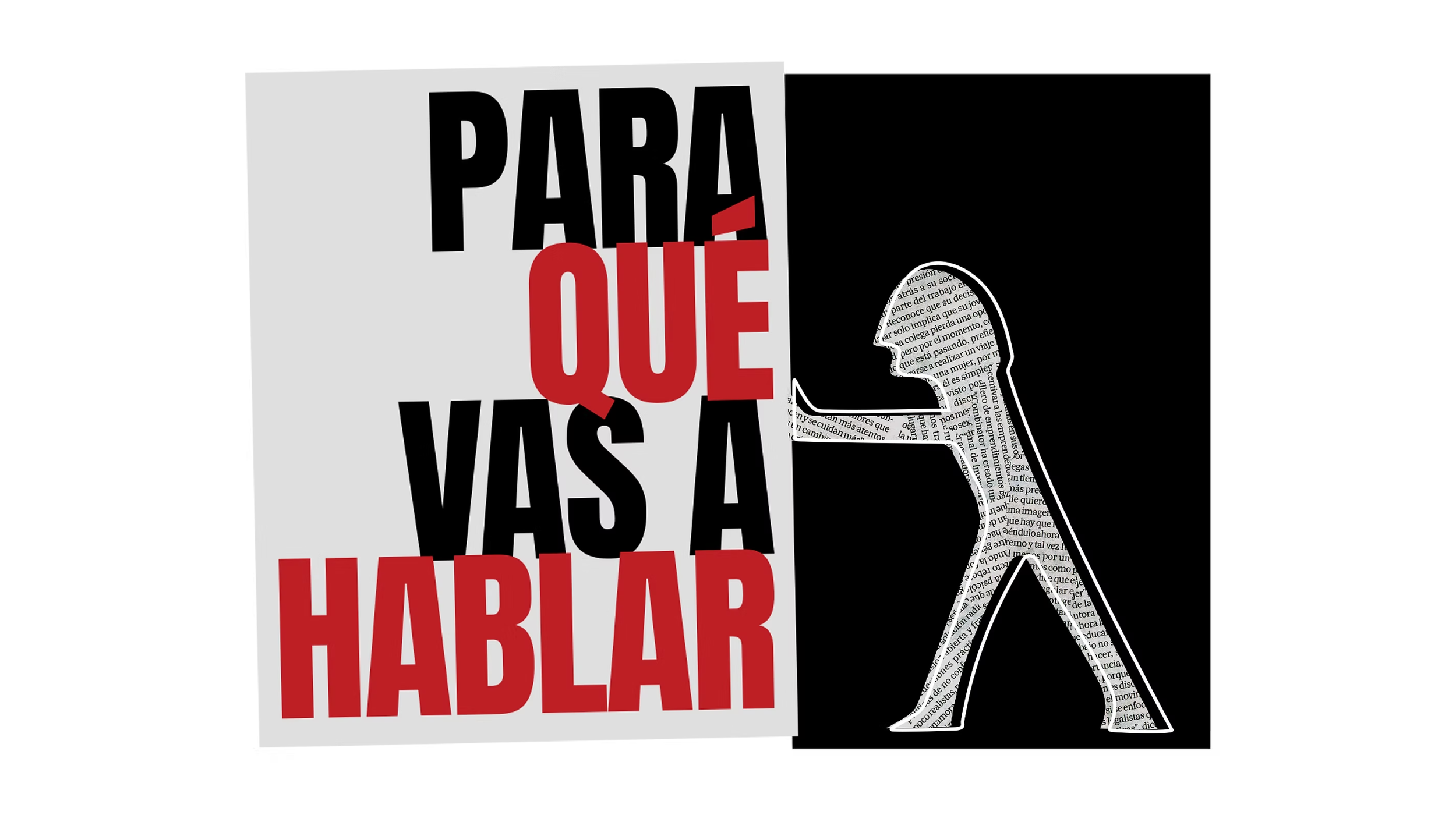
The Network of Survivors of Abuse in Institutional Settings in Chile recently launched their podcast ‘Para qué vas a hablar’ (‘Why Would You Speak Out?’). In each episode, victims and survivors of child sexual abuse in institutions across Latin America share their stories, reflect on the consequences of their experiences, and expose the power dynamics that allow these abuses to happen. They also affirm the importance of speaking out and being heard.
The first podcast episode is divided into four parts and is hosted by Eneas Espinoza, a survivor of child sexual abuse and trafficking in ecclesiastical settings and in scout groups. Espinoza is also the founder of the Chilean Survivors’ Network, an ally of CRIN’s regional project to prevent child sexual abuse in institutional settings in Latin America.
Espinoza says:
Our organisation emerges from the strength of collective action. It is what allows us to move forward in legal matters, in the pursuit of justice, in securing reparations for victims of abuse in institutional settings. And it gives us visibility to convene a safe and supportive space for our peers. The proposal for this podcast generated a massive response - bringing together victims, survivors, activists and collaborators from across the Americas.
With the final product, we present ourselves as a chorus of strong, organised voices that keep the cause alive, no matter how much (or in what ways) the powers that have harmed children in the past and present try to silence us.
Watch episode 1, part 1:
This first episode discusses the silence surrounding abuse, the stigma and stereotypes victims and survivors face, as well as the importance of recognising child sexual abuse as a form of torture. It is available on YouTube (with the option for English subtitles) - as well as on Spotify, Apple Podcasts, Amazon, Deezer and iVoox.
Content warning: The podcast addresses experiences of child sexual abuse and their impacts. Some content may be distressing for certain audiences. Listener discretion is advised.