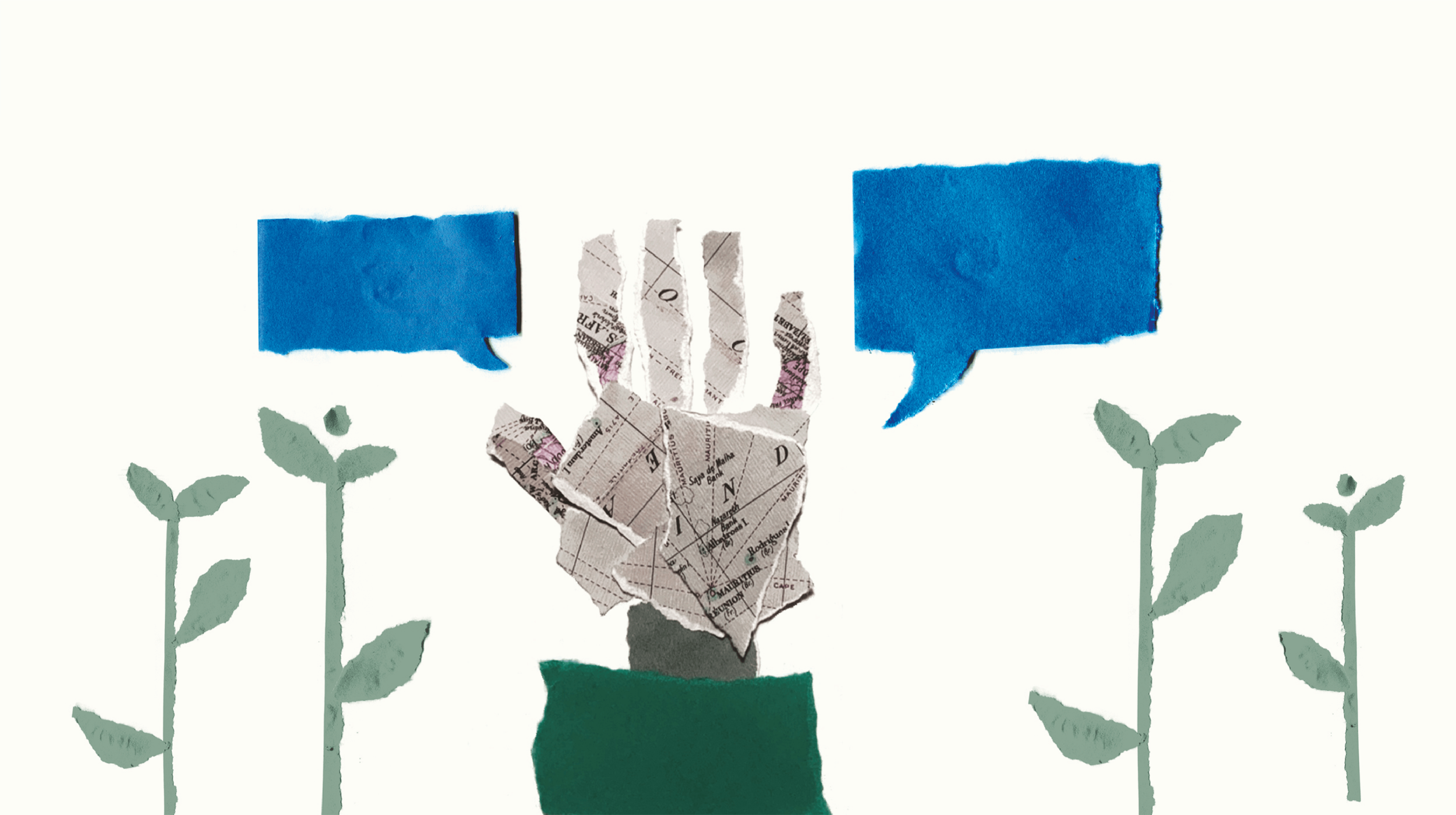
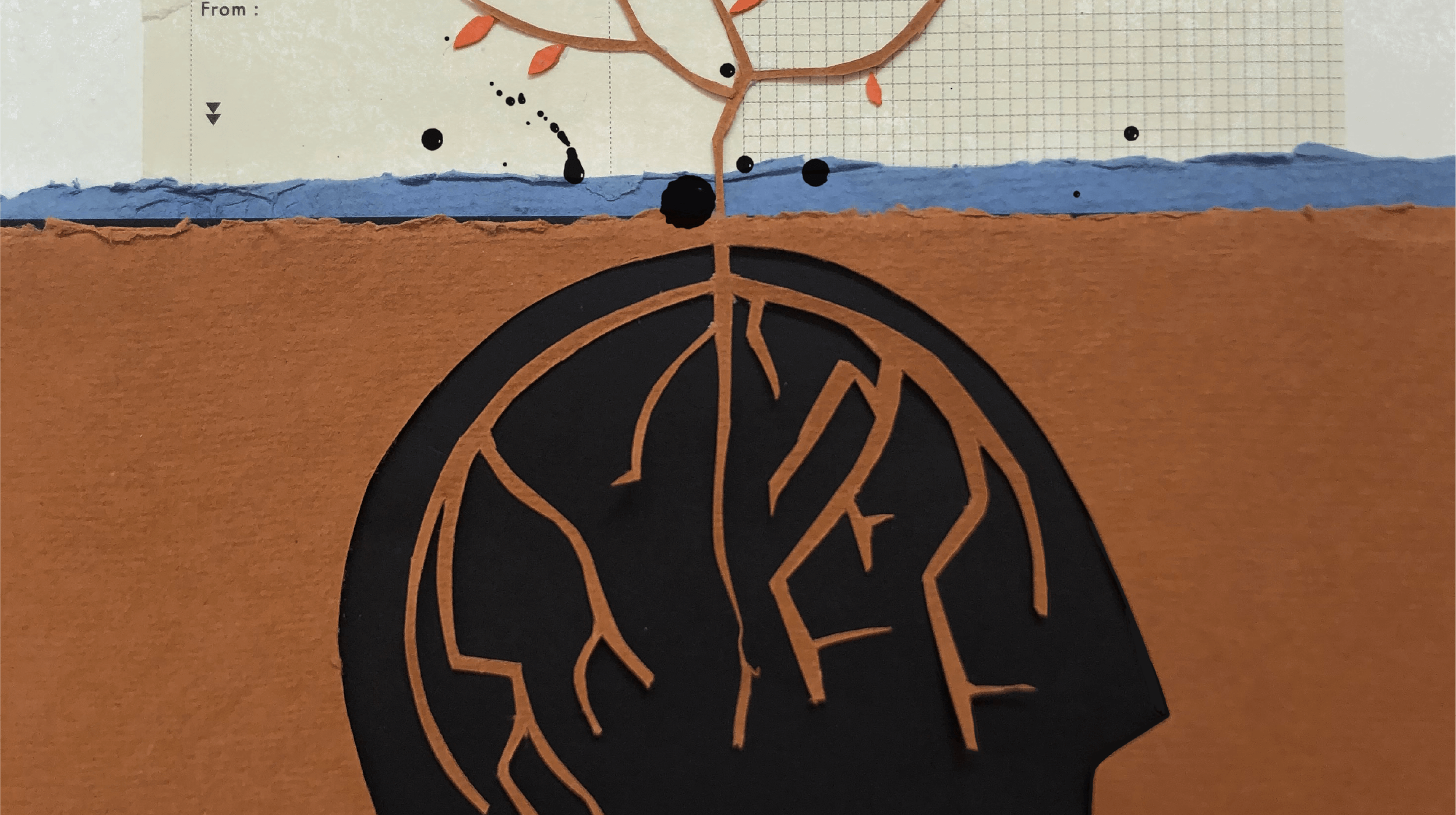
'Why Would You Speak Out?': A podcast featuring stories and testimonies from survivors of child sexual abuse in institutions across Latin America

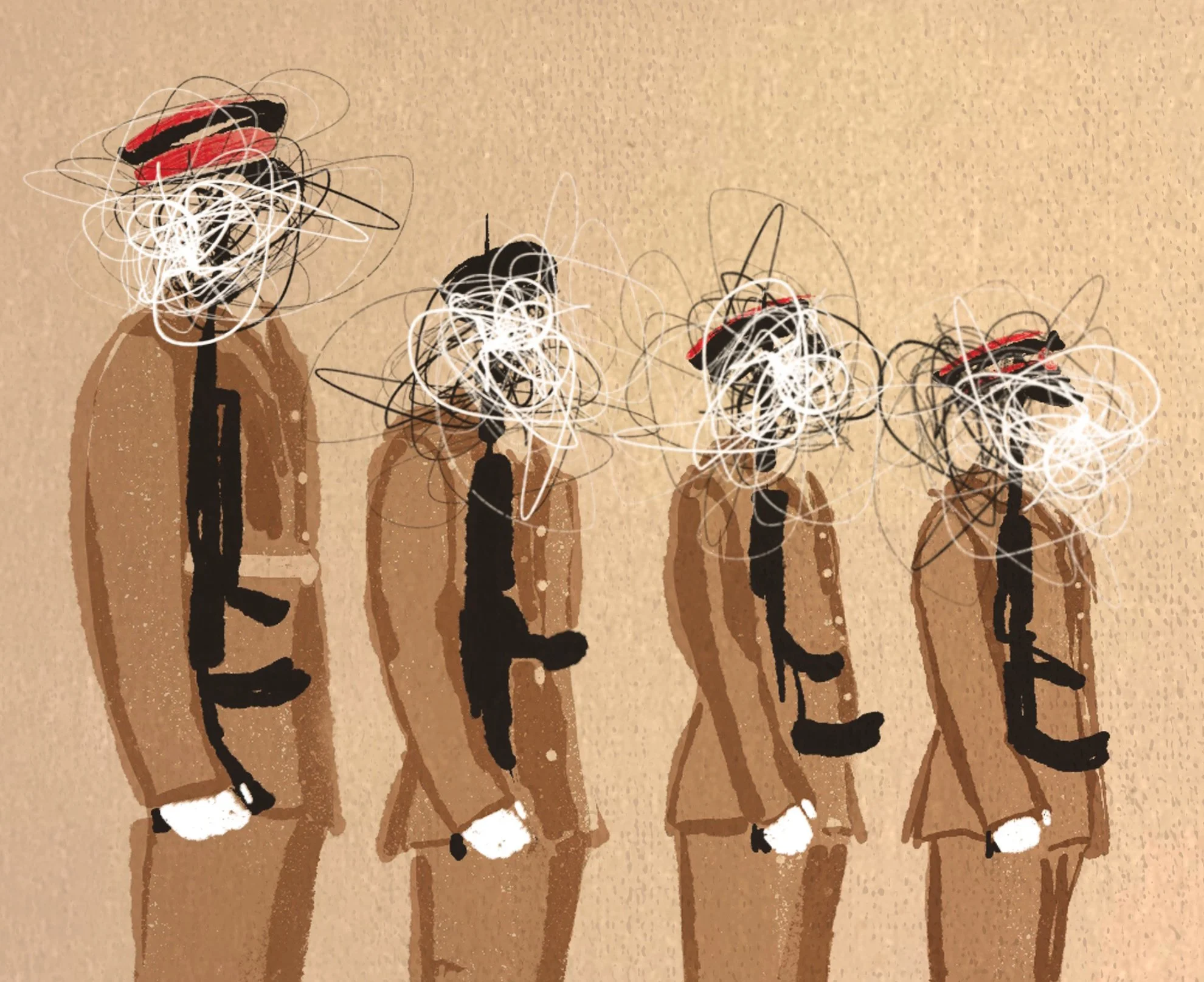
This new podcast from a survivor-led network in Chile follows the stories and experiences of victims of institutional child sexual abuse across Latin America. The first episode is hosted by survivor and founder Eneas Espinoza, who describes the podcast as ‘a chorus of strong, organised voices that keep the cause alive’.

Read More
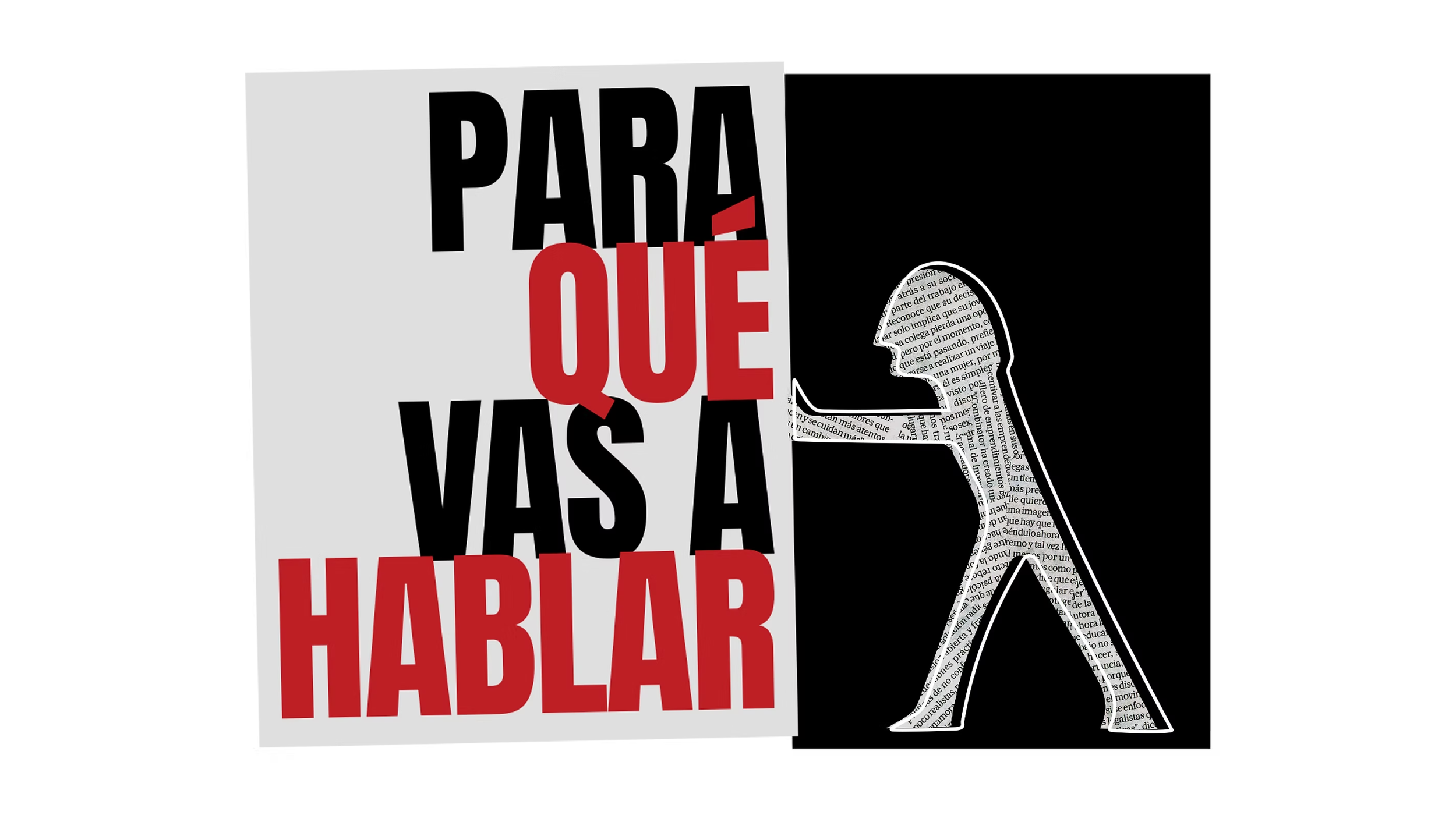
"Para qué vas a hablar": un pódcast con historias y testimonios de sobrevivientes de abuso sexual infantil en instituciones de América Latina

Este nuevo podcast, creado por una red de supervivientes de Chile, narra las historias y experiencias de víctimas institucionales de abuso sexual a lo largo de América Latina. Eneas Espinoza, superviviente y fundador, nos presenta el primer episodio y nos describe el podcast como "un coro de voces fuertes y organizadas que mantienen viva la causa".

Read More
Joint statement on the death penalty in Israel

On 30 March, the Israeli Knesset approved a bill expanding the use of the death penalty in both military and civilian courts. CRIN joined other human rights and humanitarian organisations in speaking out on this bill, one that makes the death penalty effectively mandatory in the West Bank – which will de facto apply, exclusively, to Palestinians.

Read More
CRIN’s Climate Advisers look back at the UN Environment Assembly

The CRIN team was in Nairobi in December 2025 attending the seventh session of the United Nations Environment Assembly, together with three of CRIN’s Climate Advisers - Shirley Akinyi Ochieng from Kenya and Zara and Ashton Hawkins from the UK. This interview is a collection of their respective experiences, insights and expertise on UNEA-7 and the ways it can improve for children.

Read More
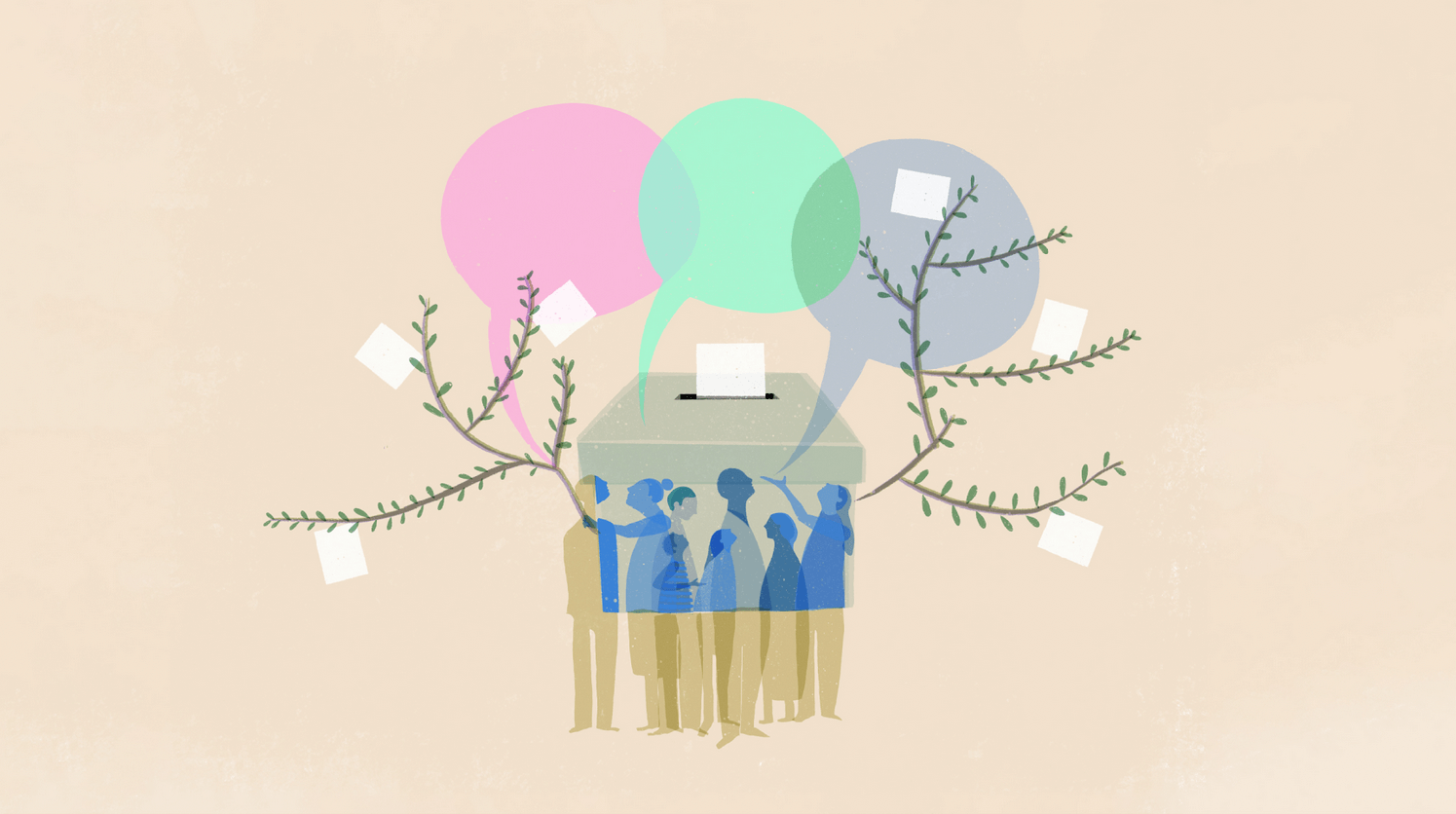
Making (Deliberative) Waves: Reimagining democracy with and for children

Across the world, many are calling for change in how we ‘do’ democracy. There’s a need for ordinary citizens to be included in decision-making. In this article, we share key developments for children’s rights and deliberative democracy over the last year. We also include an invitation to join CRIN’s ‘Children and Democracy Network’, a global community of practice dedicated to shaping how we collectively advance children’s involvement in democratic processes.  

Read More
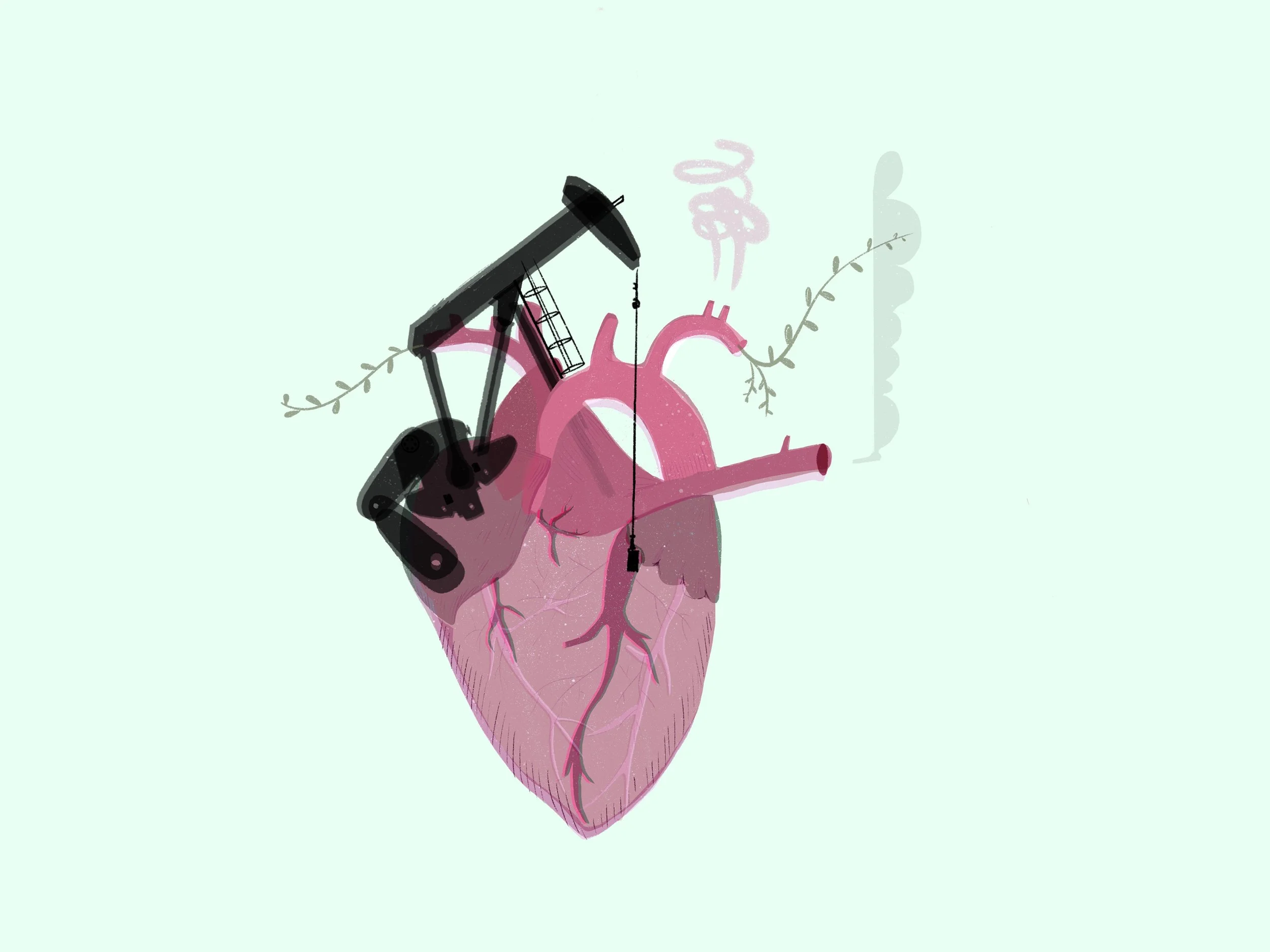
COP30's aftermath: Failure, confusion and hope

Hosted at the mouth of the Amazon, COP30 was framed as a turning point for real climate action but the reality fell far short of that promise. While some gains were made, COP30 was ultimately marked by exclusion, missed opportunities and a troubling step back from commitments to phase out fossil fuels. CRIN unpacks what COP30 delivered and what it failed to achieve from a children’s rights perspective.

Read More
Briefing: Children, conflict and climate in Sudan

Sudan’s civil war has put millions of children in danger. Alongside mass displacement and war crimes - amounting to genocide in some regions - the conflict is also degrading the environment, with military operations worsening living conditions and the impacts of climate change. CRIN’s latest briefing examines how these crises intersect to harm children and why international action is needed.

Read More
Weakening EU pesticides legislation weakens children's rights

CRIN and 17 child rights and youth organisations are raising concerns about the EU’s ‘Food and Feed Safety Omnibus’. This proposed package of measures shatters key protection standards governing the approval of dangerous pesticides in the European Union. Adopting it would expose children to serious and preventable health risks, violating the rights (and futures) of our youngest citizens.

Read More
COP30 picks up the pace on inclusion of children, yet should have gone further

Despite welcome steps toward recognising children’s rights at COP30, governments fell short on the action needed to protect children from the climate crisis. CRIN has joined the Children’s Environmental Rights Initiative coalition to warn that without the phase-out of fossil fuels - as well a commitment to prioritise children in all climate decision-making - any progress made is purely symbolic. We cannot accept business as usual if we want to secure a liveable future.

Read More
Children and young people call for action at COP30

The following recommendations have been developed by children and young people who advise and collaborate with the Child Rights International Network (CRIN). All 16 recommendations rely on and are grounded in international law, drawing from the Advisory Opinion on climate change from the International Court of Justice and General Comment 26 from the UN Committee on the Rights of the Child, among other documents.

Read More
Inside the UN’s failed Plastic Treaty

The CRIN team was in Geneva in August for the second part of the fifth session on a treaty to end plastic pollution (INC-5.2), where we met siblings Zara and Ashton Hawkins. These under-18 environmental activists are founders of Hidden Plastic, an organisation that exposes the often-overlooked impact of plastics. In this interview, they reflect on the breakdown of the talks, share their experience inside negotiation rooms and discuss how young people can hold governments accountable.

Read More
"I'd really like Kenya to become a green Kenya."

In this interview, we speak with CRIN’s Climate Adviser Shirley Akinyi Ochieng, a 15-year-old environmental activist from Kenya who has been leading projects, campaigns and conversations advocating for the protection of her country’s  environment. She discusses the impact of climate change in her community, as well as the importance of community awareness, government accountability and why children’s perspectives are needed in climate decision-making.

Read More
Romper el silencio, enfrentar las barreras: Las dos caras de la justicia en América Latina

Para los sobrevivientes de abuso sexual infantil en contextos institucionales, los intentos de buscar justicia pueden tener resultados muy diferentes. Este artículo analiza dos casos recientes de abuso por parte del clero católico en América Latina, comparando los avances logrados en Bolivia con el retroceso en Argentina, donde la Corte Suprema anuló una de las condenas más importantes del país.

Read More
Breaking silence, facing barriers: Two sides of justice in Latin America

For survivors of institutional child sexual abuse, attempts to seek justice can have starkly different outcomes. This article looks at two recent cases of clergy abuse in Latin America, comparing the progress being made in Bolivia to a regression in Argentina, where the Supreme Court overturned one of the country’s most significant convictions.

Read More